
Mould is not a problem confined to coastal or high-rainfall areas. In the Hunter Valley, seasonal conditions create genuine mould risk in residential and commercial properties across the full span of the region. Cold, damp winters followed by warm, humid summers create cycles of condensation and moisture accumulation in buildings that are not adequately insulated or ventilated. Rural and semi-rural properties that are not permanently occupied are at particular risk, as extended periods without heating or ventilation allow moisture to build to levels that support significant mould growth.
Stuart and the team at Lake Macquarie Building Inspections carry out non-invasive mould inspections across the Hunter Valley. We identify the moisture sources driving mould growth and provide honest, builder-informed advice on what needs to be done to resolve the underlying problem.
The Hunter Valley’s inland climate is more temperature-variable than the coast, with cold winter overnight temperatures and warm, humid summer conditions. This temperature variation drives condensation in buildings that are not adequately insulated, particularly in older homes with single-glazed windows, uninsulated roof spaces and limited sub-floor ventilation. When warm moist air meets a cold surface, it deposits moisture and mould follows.
Older homes in the mining towns of Cessnock, Kurri Kurri and Aberdare are frequently built on elevated sub-floors with limited ventilation, and the combination of cold winters and seasonal rainfall can sustain sub-floor moisture conditions that drive mould up through floor joists and into the living areas above. Rural properties used as weekend or holiday homes are particularly vulnerable because their extended vacant periods allow moisture to accumulate unchecked.
Flooding and water inundation events affecting low-lying properties in the valley can also leave residual moisture within wall cavities and floor systems that creates long-term mould problems even after the property appears dry on the surface.
We use calibrated moisture meters and thermal imaging to identify elevated moisture levels and concealed dampness behind linings and within floor and ceiling structures.
Mould inspection reports are delivered electronically on the same day as the inspection in most cases. The report documents all findings with photographs, moisture readings and practical recommendations for each identified issue. Stuart and the team are available to discuss the findings and advise on the appropriate next steps.

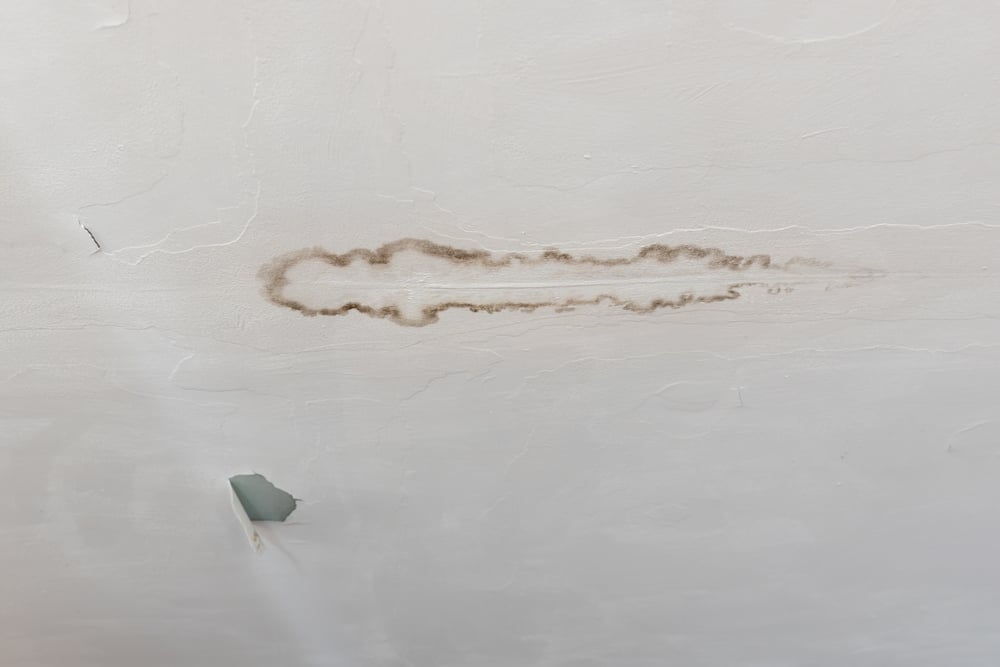
If you have cleaned mould repeatedly and it keeps returning, a mould inspection identifies the building issue enabling it. Whether it is a sub-floor drainage problem, inadequate roof ventilation or a failing wet area seal, the report gives you a clear action plan to address the cause rather than the symptom.
Where a tenant has raised a mould complaint, an independent inspection establishes whether the mould is a result of a building defect or inadequate tenant ventilation practices. The report provides the factual basis to manage the complaint fairly and document the property’s condition.
Owners of hobby farms, rural retreats and properties that are not permanently occupied benefit from a scheduled mould inspection to identify moisture accumulation before it becomes extensive. Early detection reduces the cost and complexity of remediation significantly.
If you noticed a musty smell or visible mould during an inspection of a Hunter Valley property, a dedicated mould inspection before purchase establishes the extent of the problem and what it will cost to fix, giving you the evidence you need to negotiate or walk away.
We provide a full range of pest and building inspection services across the Hunter Valley:
We carry out mould inspections across the Hunter Valley region, including:
North Rothbury | Cessnock | Branxton | Singleton | Muswellbrook | Heddon Greta | Kurri Kurri | Aberdare | Pokolbin | Lochinvar | Cliftleigh | Gillieston Heights | and all surrounding localities across the Hunter Valley region