
Lake Macquarie’s warm climate, high ambient humidity and the proximity of so many properties to the lake, bushland reserves and established gardens creates conditions that support active termite colonies throughout the year. The region is consistently rated as one of the higher-risk areas for termite activity in New South Wales, and property owners across the LGA face a genuine and ongoing threat to the timber elements of their homes and outbuildings.
Stuart and the team at Lake Macquarie Building Inspections carry out thorough timber pest inspections across the Lake Macquarie local government area. We are licensed builders with over 30 years of industry experience and we use professional-grade thermal imaging equipment on every inspection to identify pest activity and conducive conditions that visual assessment alone cannot detect.

Several characteristics of the Lake Macquarie environment contribute to an elevated and persistent timber pest risk for property owners across the LGA. The lake itself keeps ambient moisture levels high across the surrounding suburbs throughout the year, particularly in lower-lying areas on the eastern and western shores. Sub-floor spaces beneath older homes in suburbs like Toronto, Speers Point and Rathmines can sustain the moist, humid conditions that termite colonies favour.
The mature vegetation in established Lake Macquarie suburbs provides a ready source of cellulose for termites and a network of root systems and fallen timber that supports colony establishment close to residential buildings. Properties adjacent to bushland reserves, which are common across the LGA, face a further elevated risk as native bushland harbours large and well-established termite populations that extend their foraging territory into surrounding residential areas.
Lake Macquarie also has a significant proportion of older timber-framed homes built before modern termite management standards were introduced, many of which have no active protection system in place. Without regular inspection and monitoring, termite activity in these properties can reach a significant level before it is detected.
Our timber pest inspections cover all accessible areas of the property in accordance with Australian Standard AS 3660.2. The inspection assesses:
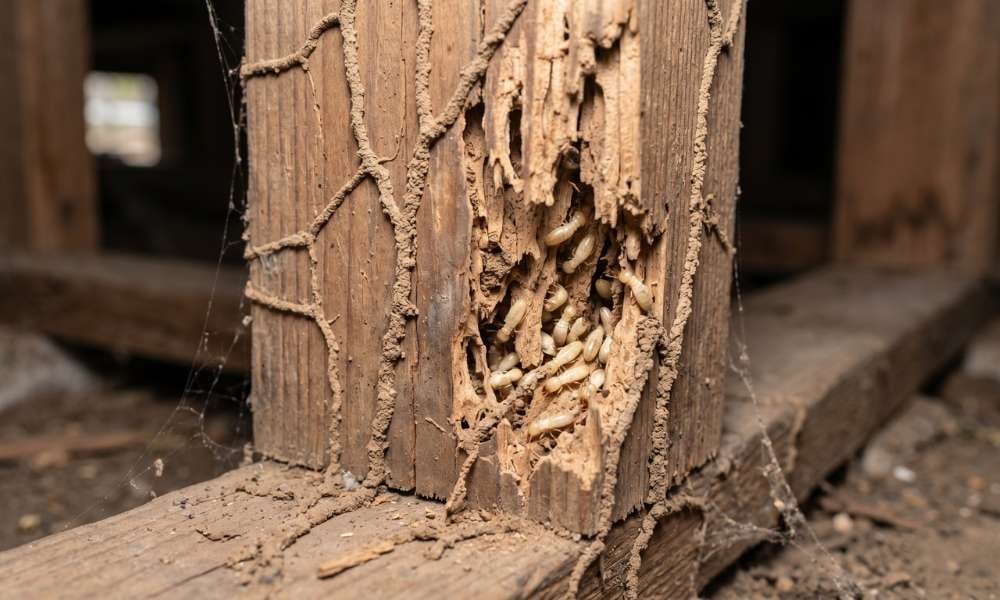
Termites are the most destructive timber pest in Australia and the primary focus of every inspection. They work from the inside out, consuming the structural and non-structural timber within a building while avoiding exposure to light and air. By the time visible signs of termite activity appear, significant damage can already have occurred. Our inspectors look for mud leads, workings, damaged timber and live termite activity throughout the property, using thermal imaging to detect the heat and moisture signatures associated with active colonies in concealed areas.
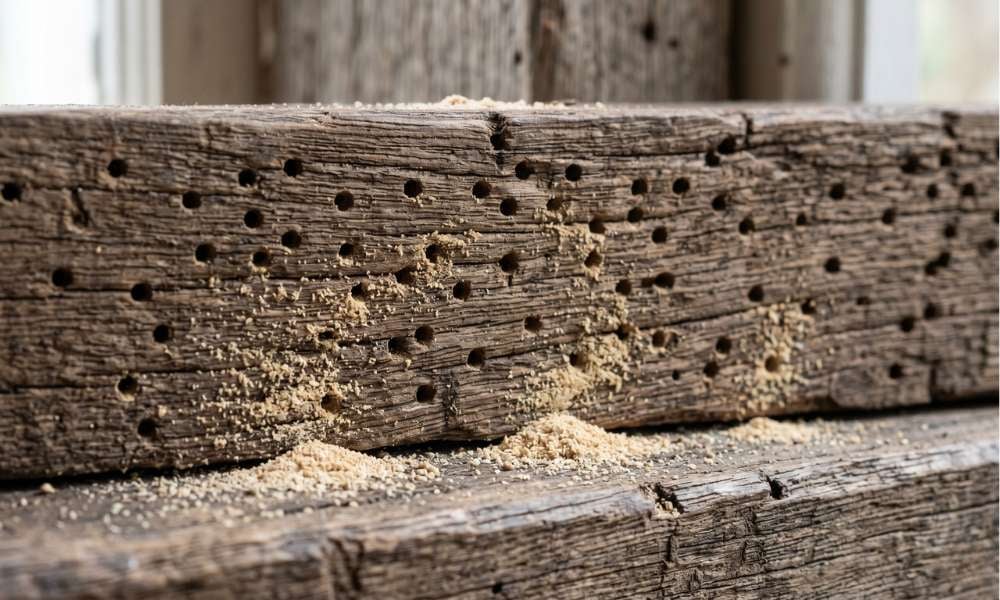
Wood-boring insects lay eggs in timber and their larvae tunnel through it as they feed, weakening the timber over time. Borer damage is identified by the presence of small exit holes and fine powdery frass in and around affected timber elements. Borers are common in Lake Macquarie's older properties and can affect both structural and decorative timber elements throughout the building.
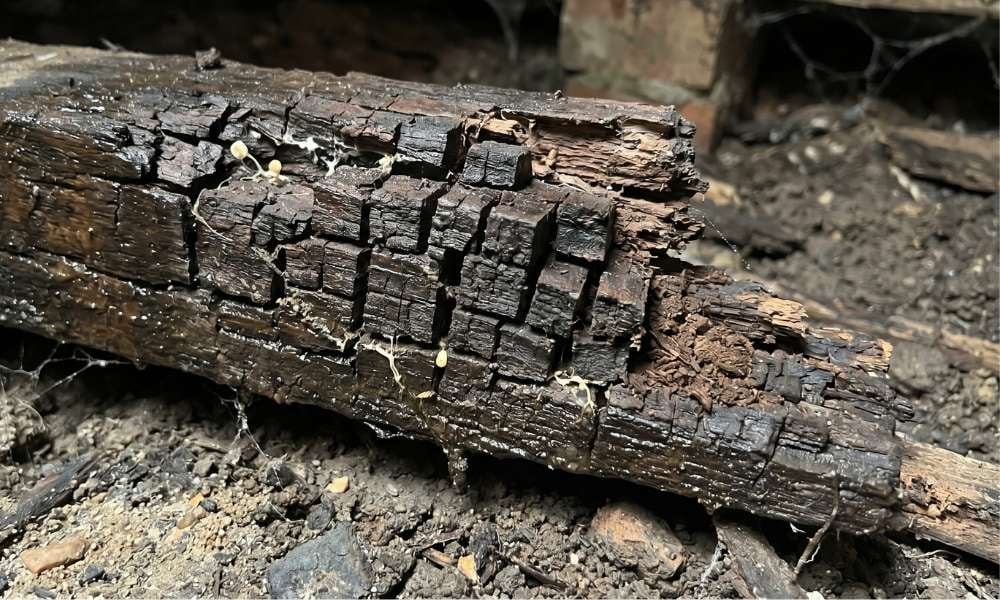
Fungal wood rot is caused by the presence of persistent moisture in timber. It is commonly found in sub-floor areas with poor drainage or ventilation, around wet area penetrations that are no longer effectively sealed and in external timber elements that have deteriorated to the point of admitting water. Wood rot can compromise the structural integrity of affected timber and creates conditions that are attractive to termites.
Your timber pest inspection report is delivered electronically the same day as the inspection in most cases. It documents all evidence of active and past timber pest activity, assesses the severity of any damage found, identifies conducive conditions on the property and provides recommendations for protection, treatment and management. The report is written in plain English with photographs supporting every significant finding.
Stuart and the team are available to discuss the findings and advise on appropriate protection measures following the inspection. Annual inspections are strongly recommended for all Lake Macquarie properties.
Lake Macquarie Building Inspections provides a full range of pest and building inspection services across the Lake Macquarie LGA:
We carry out timber pest inspections across all suburbs within the Lake Macquarie local government area, including:
Toronto | Speers Point | Rathmines | Valentine | Warners Bay | Charlestown | Belmont | Gateshead | Cardiff | Cameron Park | Edgeworth | West Wallsend | Morisset | Cooranbong | Swansea | and all surrounding suburbs within the Lake Macquarie LGA